What Four Thinkers Taught Me About Respect, Power, and Truth
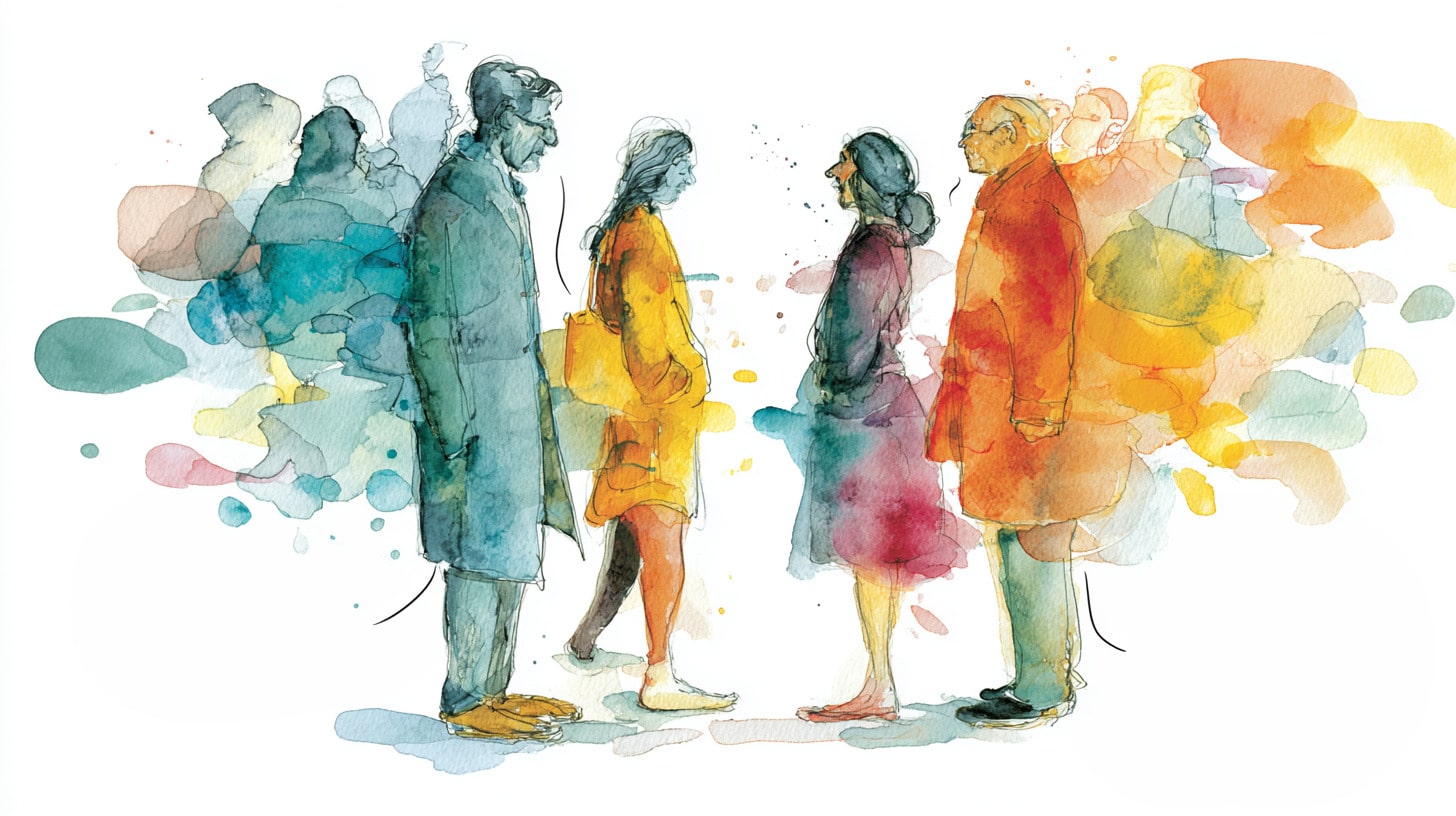
This essay revisits a debate featuring Jordan Peterson, Stephen Fry, Michelle Goldberg, and Michael Eric Dyson—through two lenses:
- Critical thinking: analyze claims, test assumptions, spot blind spots.
- Empathy: feel the historical and emotional weight behind positions.
Together, PC becomes more than a culture war—it’s a mirror for how we want to live together.
Part I — What People Usually Mean by “Political Correctness”
Michelle Goldberg: evolving norms that extend dignity; a continuation of civil-rights work → progress.
Michael Eric Dyson: the long-silenced finally speaking back; PC is correction, not threat.
Stephen Fry: well-intentioned but self-defeating; breeds fear and resentment that harms its own aims.
Jordan Peterson: a dangerous ideology of group identity that risks authoritarian drift.
Part II — Why Some Say Political Correctness Is Progress
(Goldberg & Dyson)
1) The Empathy Lens — Seeing the Weight of History
- Identity categories were tools of domination; PC amplifies voices once punished for speaking.
- Invitation: be thoughtful, be considerate—words can harm. Kindness ≠ censorship.
2) The Critical Thinking Lens — Correcting Blind Spots
- PC surfaces patterns the powerful missed: harassment, microaggressions, structural exclusions.
- Ask: Which assumptions did old norms hide? Who benefited?
- Visibility of privilege feels like loss, but it’s information.
3) PC as Expanding Freedom
If fear silences women, Black people, LGBTQ people at work, then “free speech” isn’t equal. PC levels the field so more people can speak.
4) On “Backlash”
Critics often cherry-pick extremes (online mobs) as the norm.
- Critical thinking: are we arguing from worst cases?
- Empathy: discomfort with others’ dignity ≠ oppression.
Part III — Why Some Say Political Correctness Is Dangerous
(Fry & Peterson)
1) The Empathy Lens — Fear, Shame, Resentment (Fry)
- A climate of fear (saying the wrong thing → public shaming) pushes people apart.
- Empathy must include those now afraid to speak, not only the historically oppressed.
2) The Critical Thinking Lens — Space to Be Wrong (Fry)
- Inquiry, humor, creativity need room to err.
- If rules are shifting and punitive, people retreat; polarization grows; extremists thrive.
3) Individualism vs Group Ideology (Peterson)
- Judge individuals, not collectives.
- Guilt/virtue by race/gender replicates injustice.
- Pushing equality of outcomes risks authoritarian control.
4) Peterson’s Empathy Lens — Honest Expression
- People need space to wrestle with ideas without instant labels.
- Hard truths can be caring; enforced sensitivity can create fragility.
Part IV — Critical Thinking Across Both Camps
- Exposes harm vs creates pressure: PC gives voice to the silenced and can make others anxious. Both can be true.
- Core divide: group (history made groups matter) vs individual (individuals must matter most). Can we honor both?
- Fear is a bad teacher; denial is too: avoid backlash and avoid blindness.
Part V — Empathy Across Both Camps
Pro-PC empathy: histories of exclusion; desire for dignity, safety, equality, learning from harm.
Anti-PC empathy: fear of shaming; loss of exploratory freedom; aversion to ideological conformity.
One side feels unseen; the other feels unheard. Not historically symmetrical—yet real now.
Part VI — Where Does This Leave Us?
PC is:
- a moral project, a historical correction, a cultural tension, a philosophical debate, a psychological pressure, a political flashpoint.
Goldberg: protect from harm.
Dyson: voice for the silenced.
Fry: beware fear and resentment.
Peterson: beware group-based authoritarian drift.
None are fully wrong; all are incomplete. The task is holding multiple truths.
Final Reflection — Your Turn
How do we build a society where everyone feels respected, yet no one feels afraid to speak?
Return to this question whenever the world asks you to choose between kindness and honesty—or individual and group.


